
Defense for Impaired Driving Allegations
DWI for drivers charged with impaired driving, test refusal, or repeat offenses
A DWI arrest in Minnesota triggers both criminal charges and administrative actions that can affect your driving privileges within days. Early legal intervention is essential because deadlines for contesting license revocation are strict, and missed deadlines can result in automatic suspension. Amicus Law represents drivers charged with DWI, DUI, test refusal, underage drinking and driving, and repeat-offense allegations. The firm examines traffic stop justifications, field sobriety testing procedures, breath and blood testing protocols, and officer conduct to identify errors and constitutional violations.
DWI convictions carry consequences beyond criminal penalties, including increased insurance rates, employment complications for individuals who drive for work, and professional licensing issues for those in healthcare, education, or commercial driving. Repeat offenses result in enhanced penalties, longer license suspensions, and potential felony charges. Defense strategies focus on challenging improper stops, inaccurate testing methods, and procedural errors that undermine the reliability of the prosecution's evidence.
Contact the firm immediately following an arrest or citation to address both criminal charges and administrative license consequences.
Why Traffic Stops and Testing Procedures Matter
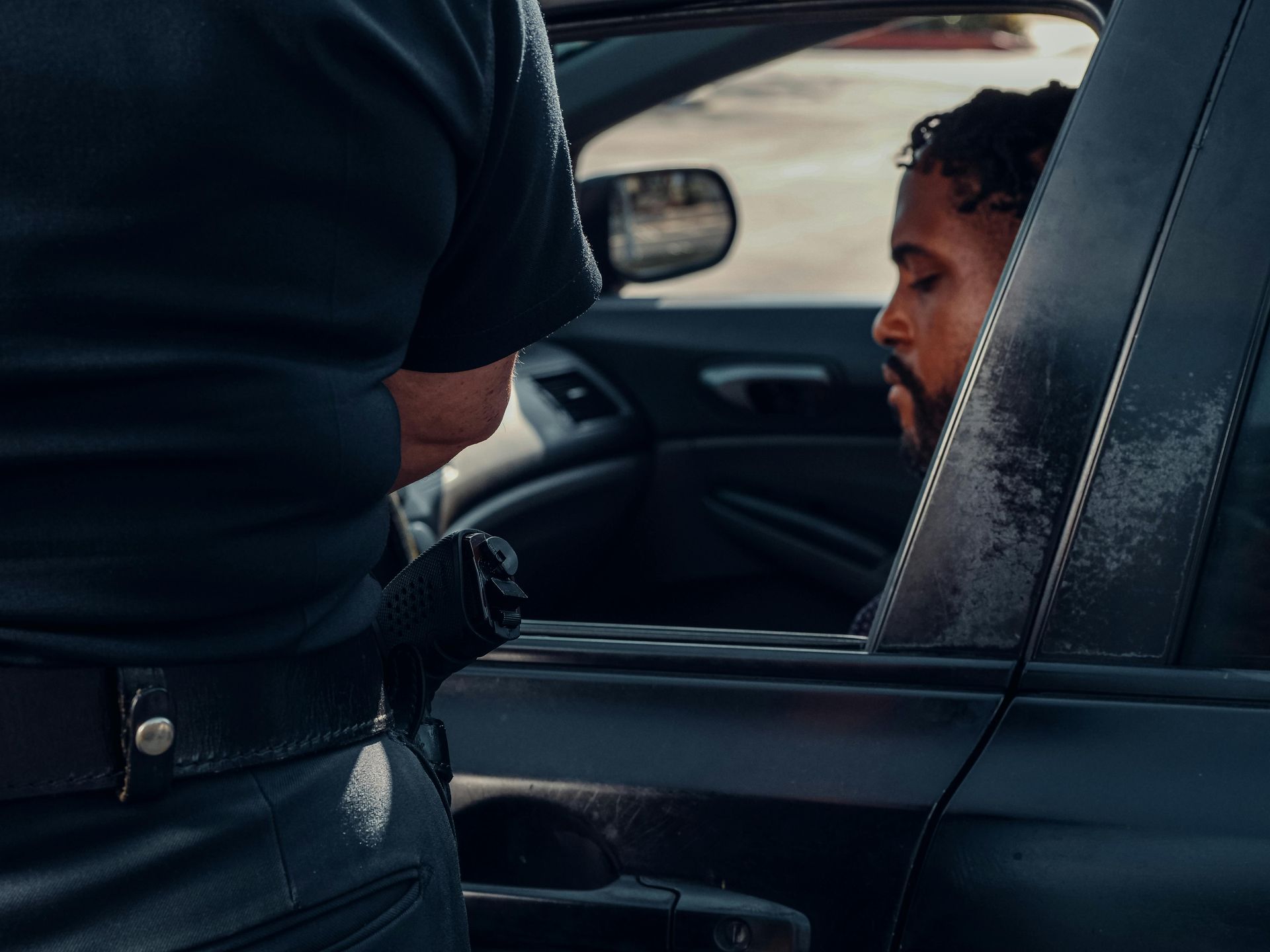
Law enforcement must have reasonable suspicion to initiate a traffic stop and probable cause to arrest a driver for DWI. Officers often rely on observations like lane deviations, speed variations, or failure to signal, but these behaviors can result from distraction, unfamiliar roads, or vehicle issues rather than impairment. Amicus Law reviews dashcam footage, officer reports, and witness statements to determine whether the stop was justified and whether the officer had sufficient basis to request field sobriety tests or chemical testing.
Field sobriety tests and breath testing devices are subject to strict procedural requirements, and errors in administration or calibration can produce inaccurate results. Breath testing machines require regular maintenance and calibration, and operators must follow specific protocols during testing. Blood testing involves chain of custody requirements, proper storage conditions, and laboratory procedures that must be documented. When these procedures are not followed, the reliability of the test results can be challenged.
Test refusal charges carry administrative penalties separate from DWI charges, but refusing a test does not eliminate potential defenses. The prosecution must still prove impairment through officer observations, witness testimony, and other evidence. The firm evaluates whether the officer properly explained implied consent warnings and whether you were given a meaningful opportunity to consult with an attorney before deciding whether to submit to testing.
Answers to Frequent Service Questions
DWI cases involve time-sensitive decisions and complex legal procedures that require immediate attention.
How quickly do I need to address a DWI charge?
Minnesota law requires action within seven days of arrest to contest an administrative license revocation. Missing this deadline can result in automatic suspension regardless of whether you are ultimately convicted. Criminal proceedings follow a separate timeline, but early legal representation allows the firm to preserve evidence and begin building your defense before memories fade and records are lost.
What are the penalties for a first DWI offense?
Penalties depend on blood alcohol concentration, the presence of minors in the vehicle, and whether aggravating factors exist. A first-time DWI can result in jail time, fines, probation, mandatory treatment programs, and license suspension. In Saint Paul and throughout Minnesota, prosecutors pursue convictions aggressively, and even first-time offenders face significant consequences without effective legal representation.
Can field sobriety test results be challenged?
Field sobriety tests are subjective and depend on officer interpretation, weather conditions, footwear, physical limitations, and medical conditions that affect balance. Officers sometimes fail to follow standardized testing procedures, and factors like uneven pavement or poor lighting can affect performance. The firm examines whether tests were administered correctly and whether alternative explanations exist for test results.
What happens if I refused a breath or blood test?
Test refusal results in an automatic license revocation, but it does not guarantee conviction. The prosecution must still prove impairment through officer observations, statements, and other evidence. The firm evaluates whether the officer followed implied consent procedures, whether you were physically capable of providing a sample, and whether the refusal was lawful.
How does a DWI affect professional licenses?
Many licensing boards view DWI convictions as evidence of impaired judgment or ethical violations. Healthcare providers, attorneys, teachers, and commercial drivers may face disciplinary actions separate from criminal penalties. Amicus Law PC addresses both the criminal case and potential licensing consequences to minimize long-term professional impact.
Amicus Law provides defense strategies aimed at minimizing penalties and protecting your driving privileges and future opportunities. Call (612) 852-5005 to discuss your DWI charges and begin addressing both criminal and administrative proceedings.